Pond Dipping Equipment Checklist: What to Pack for a Safe UK Freshwater Nature Walk
Lift a net out of a pond in late spring and you might find a dragonfly nymph the length of your thumb, a caddis larva still wearing its case of tiny gravel stones, or a dozen water boatmen rowing frantic circles in the tray. Pond dipping is one of the cheapest and most absorbing ways to spend an afternoon outdoors in Britain. It also rewards a little planning. Turn up with the wrong kit, or with no plan for keeping small children away from a steep bank, and a good idea can turn into a soggy, frustrating hour.
Before You Leave the House
First, work out whose water you are visiting. A public footpath across a field does not mean the pond beside it is open to the public. Many ponds sit on private land or are managed by a local wildlife trust, and reserves often have their own rules about nets. If you have a garden pond, or a friend with one, that is the ideal place to start.
Timing matters as much as location. Late spring and early summer are the best months: the water has warmed up, invertebrates are active, and the weed has not yet grown into an impenetrable mat. A still, mild morning beats a hot afternoon, both for the wildlife and for your patience. Avoid the day after heavy rain, when streams run high and cloudy and there is little to see.
Never dip alone. Children need an adult within arm's reach of the water at all times.
The Kit That Actually Gets Used
You do not need much, but a few cheap items make a real difference. White trays, in particular, are worth the trouble — dark creatures simply vanish against a black or green bucket.
- A pond net with fine mesh and a long handle. Roughly 1 mm mesh is a good compromise: fine enough to hold tiny shrimp, open enough to drain quickly. Light-coloured netting makes it easier to spot what you have caught.
- Two shallow white trays. Old ice cream tubs or plastic washing-up bowls work well. The shallow sides let you view creatures from the side as well as from above.
- Soft tools for moving things. A plastic spoon, a pipette or a soft paintbrush lets you lift a nymph without squashing it.
- A hand lens or magnifier box. A 10x lens turns a dull brown blob into something with gills, tail filaments and legs.
- A freshwater invertebrate guide or laminated ID chart. Paper guides get wet; laminate survives.
- A notebook and pencil. Pen runs in damp conditions. Pencil does not.
- Wellington boots and a spare pair of socks. Both will be needed.
- A small bucket of clean water for rinsing trays and hands at the end.
- A basic first aid kit with waterproof plasters, plus sun cream, a hat and drinking water.
Leave glass jars at home. They are heavy, breakable and encourage people to keep creatures for longer than is good for them.
Safety at the Water's Edge
Freshwater in the UK is not sterile, and banks are rarely as solid as they look. A few habits keep the trip straightforward.
- Kneel or sit, well back from the edge. Stay away from undercut banks, steep canal sides and soft silt, which can trap a boot or a leg.
- Look before you touch. Blue-green algae looks like green paint or pea soup on the surface. Keep people and dogs well away from it.
- Cover cuts and grazes with waterproof plasters before you start, and wash your hands before eating, drinking or rubbing your eyes.
- Tell someone if you feel unwell afterwards. UK fresh water can carry leptospirosis, spread in rat urine. If you develop fever, headache or muscle aches in the weeks after a trip, speak to a GP or call NHS 111 and mention that you have been in contact with fresh water.
- Keep everything out of your mouth. No fingers, no snacks over the tray, and keep water bottles closed while you work.
- Watch for livestock and electric fences in adjacent fields, and close any gate you open.
If you are unsure about any symptom or exposure, seek professional medical advice rather than waiting to see how it develops.
How to Dip Without Harming the Habitat
Half-fill a tray with pond water and set it in the shade. Sweep the net through the weed in a slow figure of eight rather than scraping along the bottom — dredging up mud kills more than it reveals, and you will spend ten minutes staring at silt. Lift the net, turn it inside out over the tray and rinse gently. Give the tray a minute to settle before you look. The trick is to check both the surface and the bottom of the tray; many invertebrates crawl downwards once they land.
Return everything to the exact spot you took it from, within about ten minutes. Do not tip one pond's contents into another stream or pond, and do not carry creatures home. Invasive species and plant fragments travel easily on wet nets, so rinse and dry your kit between different sites.
What You Might Find, and What It Tells You
Expect variety rather than rarity. Common finds include pond skaters skating on the surface, greater and lesser water boatmen, backswimmers that swim upside down, whirligig beetles spinning in circles, and diving beetles with a silvery bubble of air under their wing cases.
Look closely at the weed for dragonfly and damselfly nymphs, caddisfly larvae in their cases, mayfly nymphs with three tail filaments and gills along the sides, freshwater shrimp, water hoglouse, leeches, flatworms, water mites and several kinds of snail. In spring you may also net frog or toad tadpoles, small fish such as sticklebacks, and the occasional newt.
The mix tells you something about water quality. Mayfly, stonefly and caddisfly nymphs need clean, well-oxygenated water, so finding them in a stream is a good sign. Water hoglouse, bloodworms and rat-tailed maggots tolerate poorer conditions. A simple tally of what you catch gives a rough picture of how healthy a stretch of water is.
Some species are protected by law. Great crested newts and white-clawed crayfish should be admired and left alone — do not handle them, and never move them between sites.
Cleaning Up and Heading Home
Rinse trays and nets away from the water's edge, so nothing you have disturbed flows straight back in. Check, clean and dry your boots and kit before visiting another wetland; this is the single most useful habit for slowing the spread of invasive species. Hang the net out to dry properly at home rather than leaving it bundled in a bag.
Write up your notes the same evening, while you still remember which tray held the beetle with the pale stripe down its back. Dates, weather and site names are the details that make a notebook worth keeping.
A Short Pre-Trip Check
- Permission confirmed, and the site is safe to access.
- Net, white trays, spoon, lens, guide, notebook and pencil packed.
- Wellies, spare socks, plasters, water and hand-washing kit in the bag.
- An adult assigned to each child near the water.
- Plan agreed for where kit gets rinsed and dried afterwards.
Get those few things right and the rest takes care of itself. Take your time at the bank, look properly into the tray, and put everything back where it came from. The best pond dipping sessions are the unhurried ones.
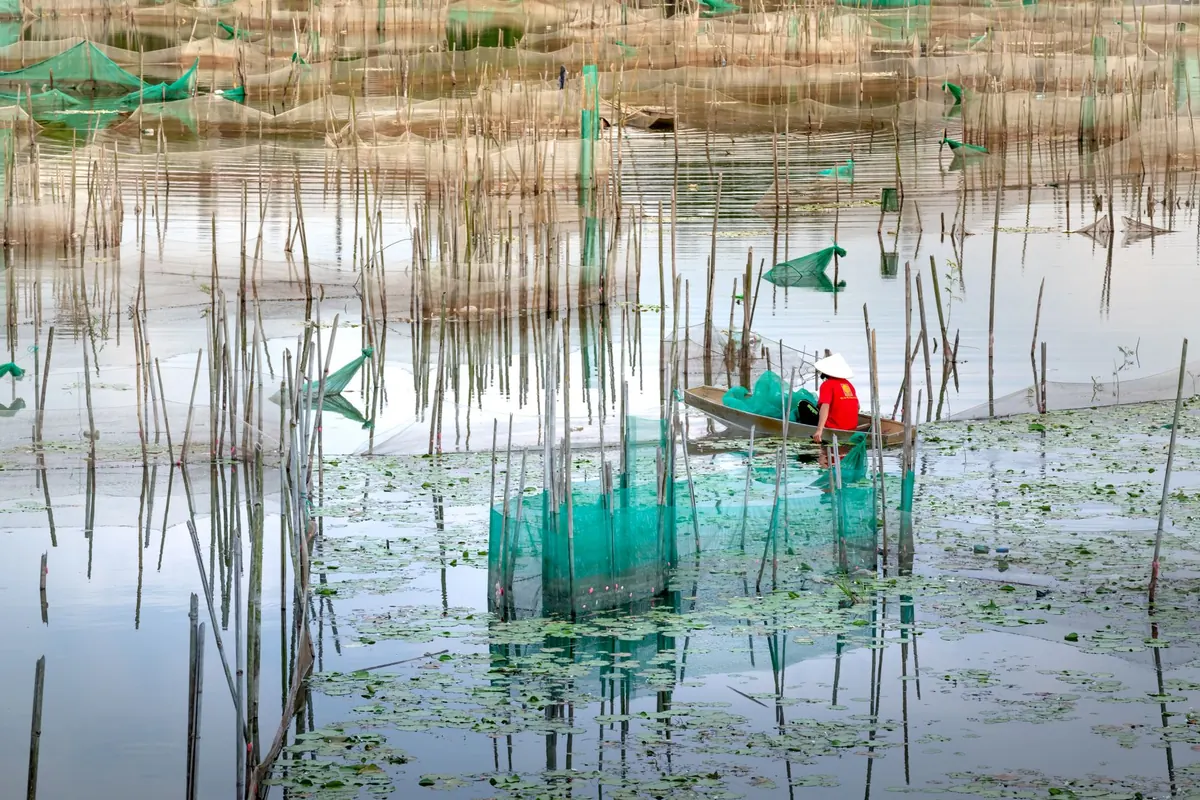
Photo: Quang Nguyen Vinh / Pexels