Five-Minute Science: 10 Quick STEM Activities for Rainy Days
A wet afternoon at home has one reliable cure, and it is not another episode of anything. It is a glass of vinegar, a spoonful of bicarbonate of soda, and a child who wants to know what happens next. The ten activities below all use things you probably already own, take roughly five minutes to set up, and keep everyone busy for far longer than that. None of them needs a kit, a printer or a trip to the shops.
Set the Stage in Two Minutes
Most rainy-day science goes wrong because the prep takes twenty minutes and the activity takes four. Flip that. Clear the table, put a baking tray in the middle, and keep everything else within arm's reach.
- Bicarbonate of soda, white vinegar, food colouring, washing-up liquid
- Masking tape or painter's tape, paper straws, a stack of A4, a few cardboard tubes
- A balloon, a torch, a tall clear glass or jar, a shallow dish
- An old towel, kitchen roll, and a lidded tub for reusing tubes and straws
Two rules before you begin. An adult stays in the room for anything involving glass or vinegar, and nothing gets tasted, however much it looks like a milkshake. Washing-up liquid stings badly in eyes, so keep it in a squeezy bottle and aim it at the tray, not at each other.
Three Kitchen Chemistry Quickies
Fizzy Lava Cup
Stand a tall glass on the tray. Add two heaped teaspoons of bicarbonate of soda and a good squirt of washing-up liquid, then a few drops of red colouring. Now pour vinegar in slowly. The foam climbs over the rim, and it keeps going while you keep pouring. The vinegar and bicarbonate react and give off a gas, and the soap traps that gas as bubbles. Ask the question that always gets an answer: would warm vinegar work faster, or slower?
Milk Swirl
Pour milk into a shallow dish and leave it for a minute to settle. Add three or four drops of different colouring, spaced apart. Dip a cotton bud in washing-up liquid and touch it to the surface between the colours. They bolt outwards as though something pushed them. It did. Don't stir — stirring ruins the effect. Rinse the dish and start again with fresh milk; a second go works just as well as the first.
Dancing Raisins
Fill a tall glass with lemonade or sparkling water and drop in five or six raisins. They sink. Then bubbles collect on the wrinkles, lift a raisin up, pop at the surface, and down it goes again. Give it two minutes. It is the cheapest lava lamp you will ever own, and the explanation is honest: the bubbles carry the raisin up, and the raisin drops when they burst.
Paper and Tape Engineering
Building challenges work best with a rule, a target and a stopwatch.
The Load-Bearing Column
Give each person a sheet of A4 and a strip of tape. One rolls it into a tube, one folds it into a concertina, one leaves it flat as a control. Stand all three on the table and pile books on top, one at a time, counting out loud. The tube usually holds the most. Ask why a hollow shape beats a flat one, then test whether a shorter, thicker tube does better.
The Straw Bridge
Set two chairs about 30 cm apart. Build a bridge from straws and tape that spans the gap with nothing underneath it, then load it with coins in a small paper cup. The winning design is rarely the prettiest one. If it collapses, that is useful information, not a failure — ask what bent first.
The Cardboard Marble Run
Tape cardboard tubes to a door frame, a fridge or the side of a bookcase. Painter's tape comes off most surfaces cleanly, so test a small patch first and keep it away from wallpaper and fresh paint. The aim is a run that takes a marble from waist height to the floor in at least three seconds without it stopping.
Light, Shadow and Colour
Darken the hallway and hand over the torch. Hands make passable rabbits and very good birds, and the shadow gets bigger as the torch moves closer to the wall — mark the edges with pencil and measure the difference. Swap to a glass of water and a sheet of white paper: shine the torch through the glass at an angle and move the paper back until a band of colour appears. A sunny windowsill does the same job for free.
Two Physics Tricks That Look Like Magic
Rub a balloon on wool for twenty seconds, then hold it near torn paper scraps, then near a thin trickle of running water at the tap. The water bends towards it. Hold it above someone's head and their hair lifts to meet it. All of it is static charge, and none of it needs explaining in more than one sentence.
The second trick is a pencil in a glass of water. Look at it from the side and it appears snapped at the surface. Lift the pencil out and it is whole. Light slows down as it passes from water into air, so the pencil is not where your eyes expect it to be. Simple, repeatable, and oddly satisfying for adults too.
The One That Takes Ten Minutes and Feels Like a Treat
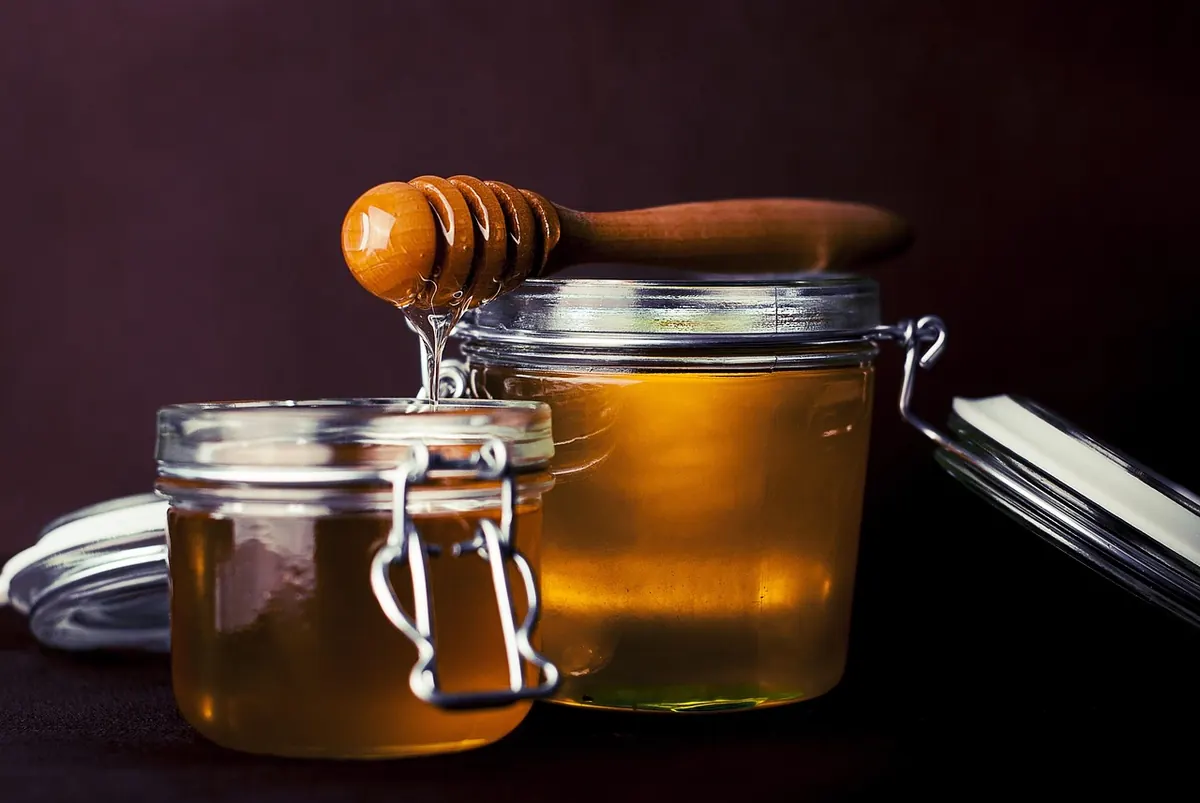
Build a density tower in a tall clear jar. Pour golden syrup first, then washing-up liquid, then water with a drop of colouring, then vegetable oil. Tip the jar and pour each layer down the inside wall, slowly, and give it a few seconds to settle before the next one. You should end up with four bands. Drop in a grape, then a piece of dry pasta, then a raisin, and see where each one stops. When you have finished, pour the contents into a sealable bag and put it in the bin rather than down the sink.
Packing Up Without Tears
Give a two-minute warning before the end, then hand out jobs rather than issuing instructions. One person peels the tape, one wipes the tray, one rescues the straws for next time. A damp cloth within reach does more for household peace than any clever experiment.
Keep the reusable bits in one lidded tub so the next wet Saturday starts in seconds, and write the one thing your child wants to test next on the lid. If an activity flops, say so out loud and try the obvious variation — more vinegar, a shorter bridge, a colder glass of water. That habit, more than any single result, is what turns a rainy afternoon into a science habit.
Photo: Anrita1705 / Pixabay